Amazon Wildlife: 15 Amazing Animals of the World’s Greatest Rainforest
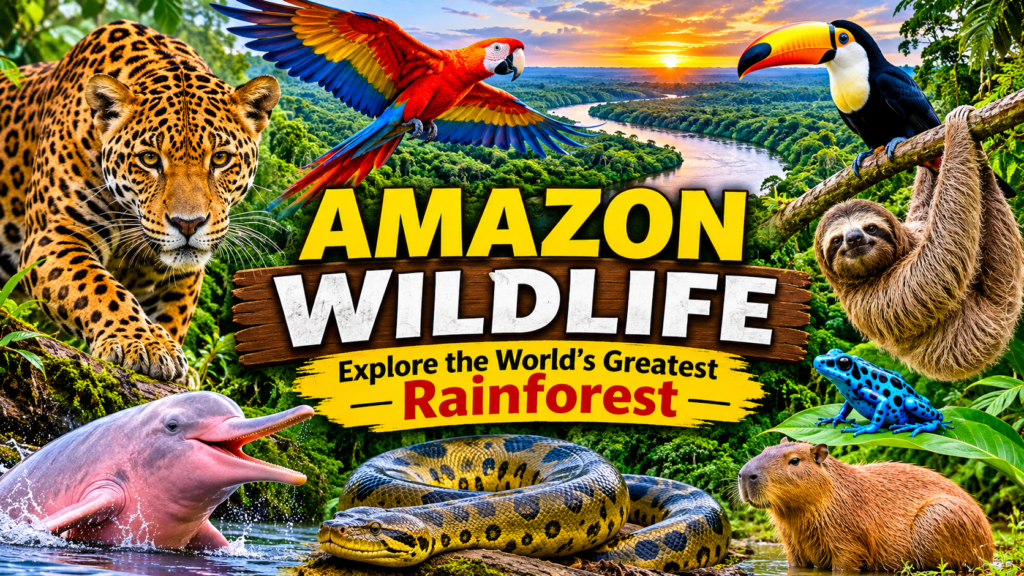
Amazon Wildlife: Discover the Amazing World of the Amazon Rainforest—A Journey into Nature’s Wildest Paradise
Published By: News Orbit Wave
Welcome to the Incredible World of Amazon Wildlife
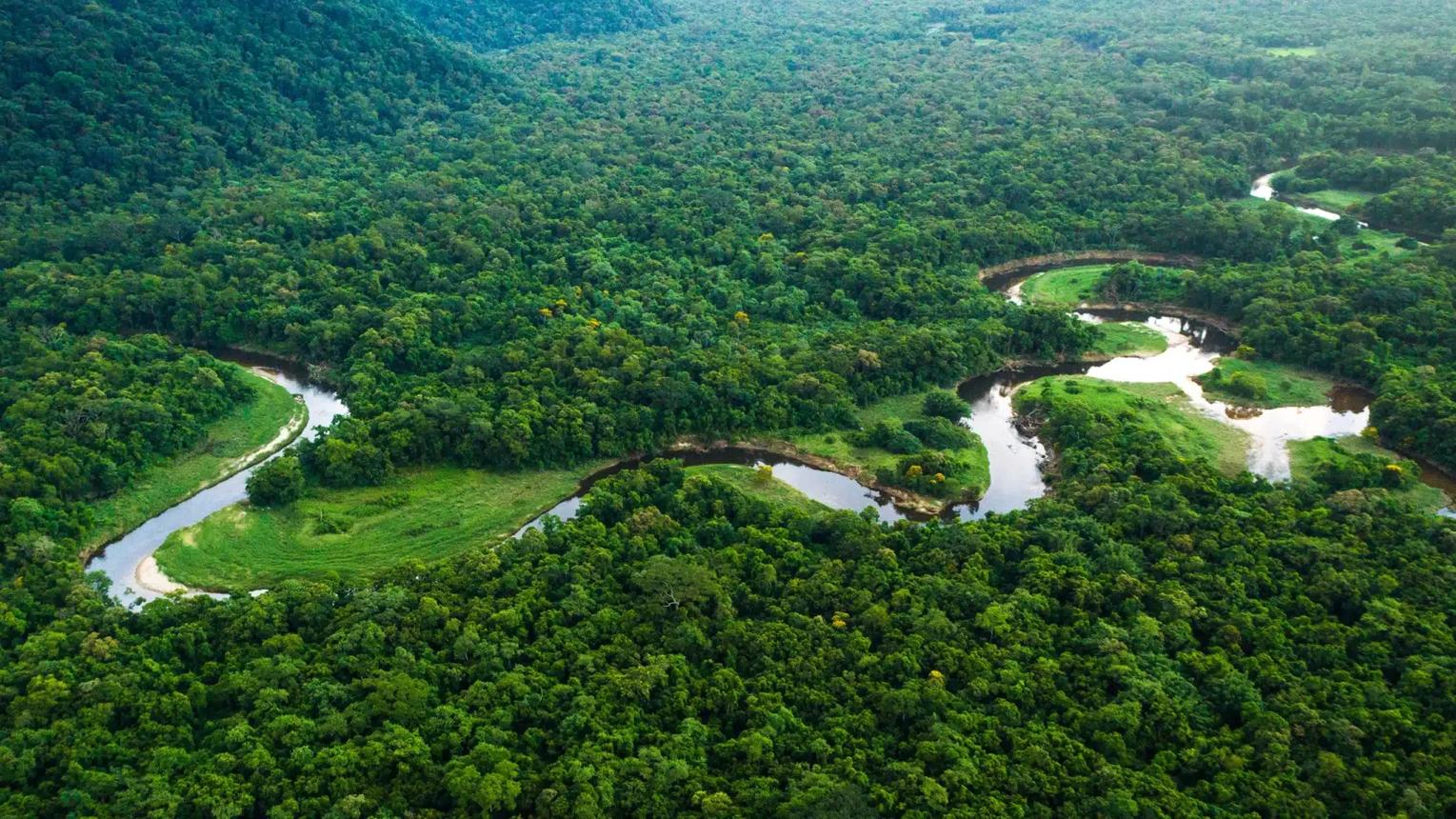
Imagine walking through a mysterious green forest where colorful birds fly above your head, giant snakes hide beneath the leaves, monkeys jump between enormous trees, and powerful predators silently move through the shadows. Welcome to the Amazon Rainforest, one of the most extraordinary natural wonders on Earth.
The Amazon Rainforest is not just a forest; it is a living kingdom filled with millions of fascinating creatures, rare plants, beautiful rivers, and incredible natural landscapes. It is one of the richest wildlife destinations in the world and is home to an extraordinary variety of animal and plant species.
Located mainly in South America, the Amazon Rainforest spreads across several countries, including Brazil, Peru, Colombia, Venezuela, Ecuador, Bolivia, Guyana, Suriname, and French Guiana.
The Amazon is often called the Lungs of the Earth, although this popular expression simplifies its complex role in the global carbon and oxygen cycles. Its forests play an important role in regulating the climate, storing carbon, supporting rainfall patterns, and maintaining biodiversity.
From the mysterious jaguar to the fascinating pink river dolphin, Amazon wildlife offers an unforgettable glimpse into the beauty and power of nature.
Let’s explore this incredible natural paradise!
Amazon Rainforest: The World’s Greatest Wildlife Paradise
The Amazon Rainforest is the largest tropical rainforest on Earth. The Amazon Basin covers approximately 7 million square kilometres, while the rainforest itself covers a smaller area of around 5.5 million square kilometres.
The Amazon River, one of the world’s largest rivers by water discharge, flows through this extraordinary ecosystem. Thousands of smaller rivers and streams connect with it, creating an enormous network of freshwater habitats.
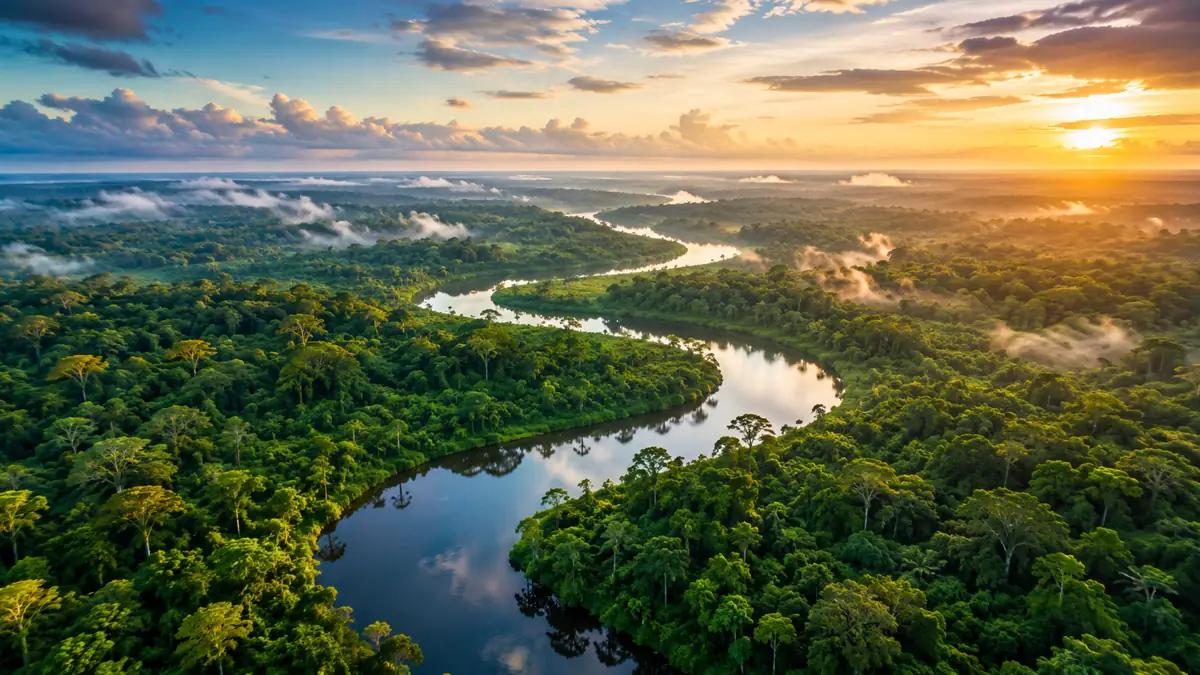
The rainforest has several different environments:
- Dense tropical forests.
- Flooded forests and wetlands.
- Riverbanks and freshwater ecosystems.
- Forest canopies filled with birds and monkeys.
- Open areas and natural grasslands.
Each environment supports different species of wildlife. Some animals live high in the trees, while others spend most of their lives in the water or on the forest floor.
The incredible variety of habitats makes the Amazon one of the most biologically diverse places on the planet.
Jaguar: The Powerful King of the Amazon
The jaguar is one of the most impressive predators in the Amazon Rainforest. Known for its muscular body, beautiful golden coat, and distinctive black spots, this magnificent big cat is a symbol of strength and wild beauty.
Jaguars are the largest cats in the Americas. They are excellent swimmers and often hunt near rivers, lakes, and wetlands.
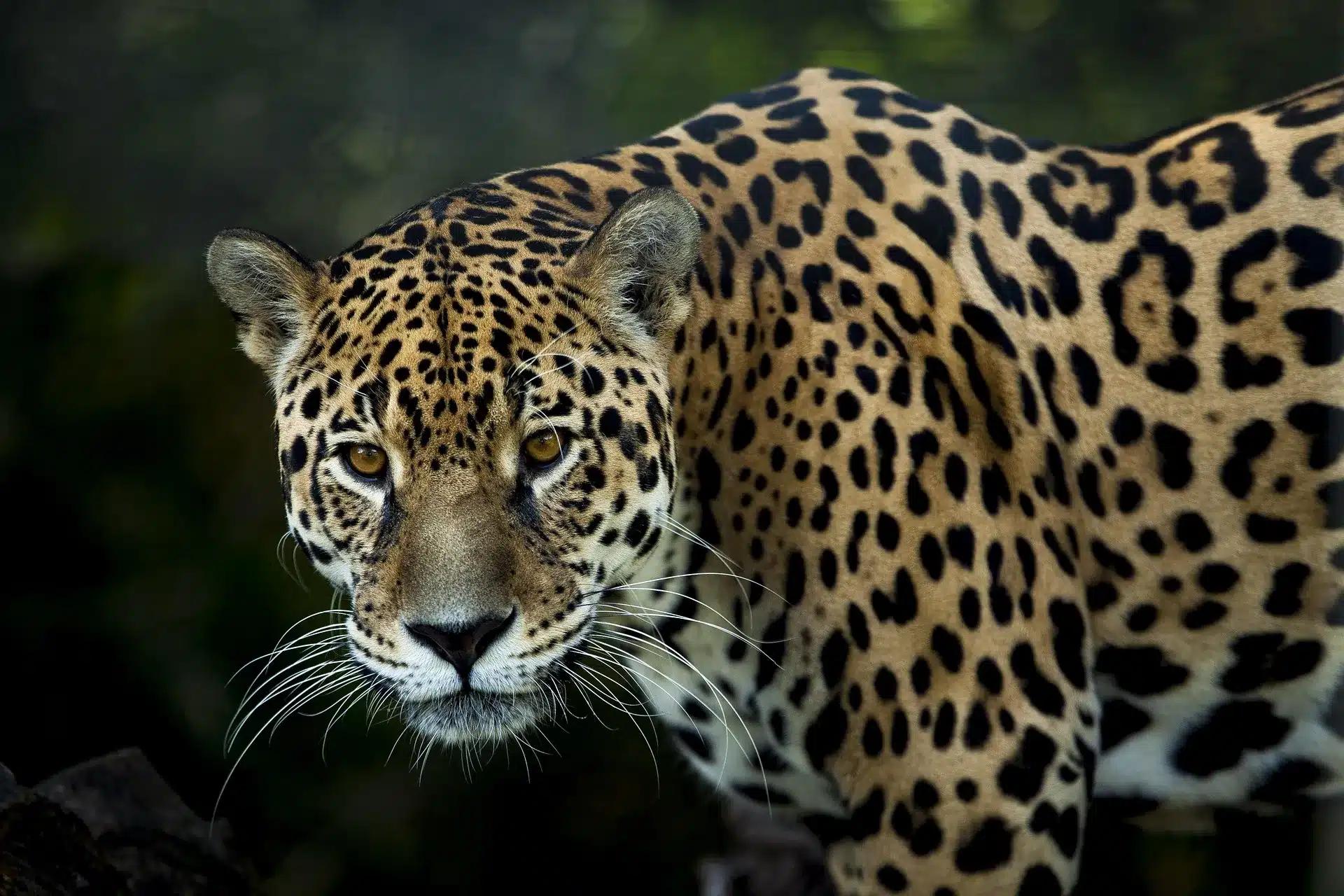
Unlike many other big cats, jaguars are comfortable in water. Their powerful jaws allow them to hunt a wide variety of animals, including capybaras, caimans, turtles, and fish.
Jaguars usually live alone and maintain territories in the forest. Their camouflage helps them remain hidden while stalking prey.
Unfortunately, habitat destruction, illegal hunting, and conflicts with humans threaten jaguar populations in different parts of their range.
Protecting the Amazon is essential for ensuring that these extraordinary animals continue to survive in the wild.
Amazon Pink River Dolphin: A Beautiful Freshwater Mystery
One of the most fascinating animals in the Amazon is the pink river dolphin, also known as the Amazon river dolphin or boto.
Unlike ocean dolphins, this remarkable mammal lives in freshwater rivers and flooded forests.
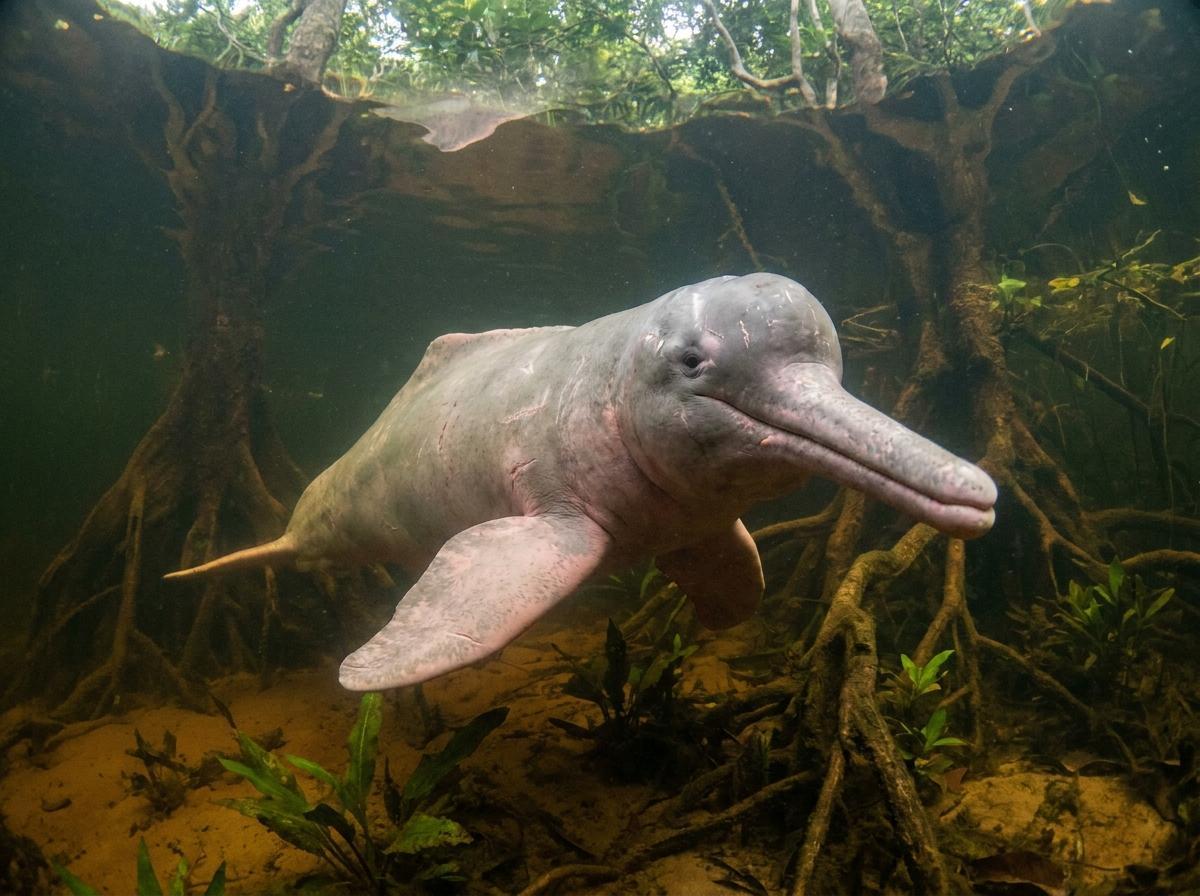
Its most interesting feature is its pinkish colour, although individuals can also appear grey. Some adults develop stronger pink colouring as they grow older.
Pink river dolphins have flexible necks, allowing them to move their heads more freely than most ocean dolphins. This adaptation helps them navigate through flooded forests and underwater vegetation.
They feed on fish, crabs, and other aquatic creatures.
Local legends and traditional stories have made the pink dolphin an important part of Amazonian culture.
However, these beautiful creatures face threats from pollution, fishing-related accidents, habitat changes, and human activities.
Green Anaconda: The Giant Snake of the Amazon
The Amazon Rainforest is home to one of the world’s heaviest snakes: the green anaconda.
This enormous reptile lives in swamps, marshes, slow-moving rivers, and flooded forests.
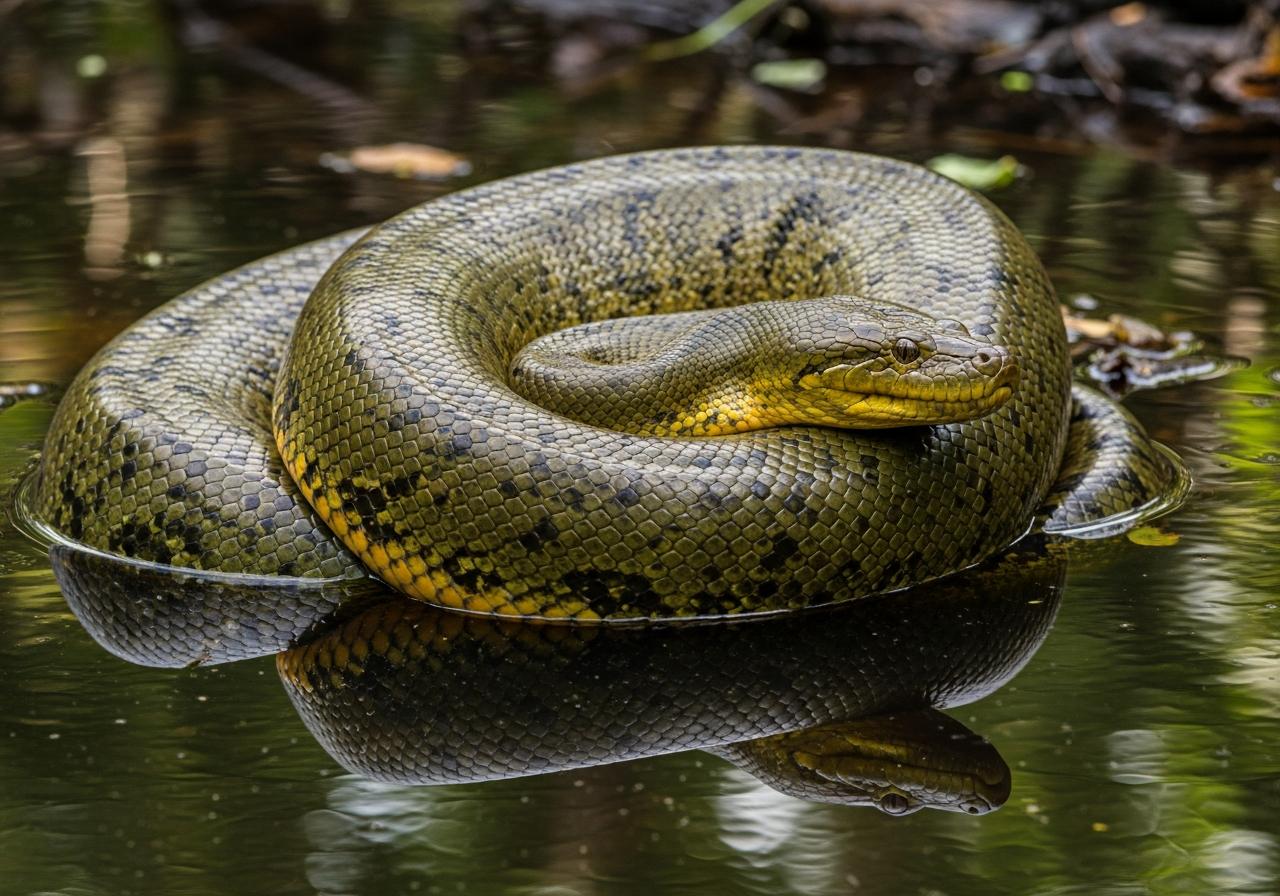
Green anacondas are non-venomous constrictors. They capture prey using their powerful bodies and wrap around it until it can no longer breathe.
Their diet includes fish, birds, capybaras, and other animals.
Despite their frightening reputation, anacondas generally avoid humans. They are important predators in the Amazon ecosystem because they help maintain the balance of animal populations.
Their excellent swimming abilities make them perfectly adapted to the Amazon’s watery environment.
Three-Toed Sloth: The Slowest Superstar of the Forest
The three-toed sloth is one of the most adorable and unusual animals in the Amazon.
It spends most of its life hanging upside down from tree branches. Its slow movements help it conserve energy while feeding mainly on leaves.
Sloths have long curved claws that allow them to hold tightly to branches.
Their fur can support algae growth, giving them a greenish appearance that helps them blend into the forest canopy.
Sloths move slowly, sleep for many hours, and rarely come down from trees except when necessary.
Although they may look lazy, their lifestyle is a remarkable example of how animals adapt to their environments.
Scarlet Macaw: The Colorful Beauty of the Amazon
The scarlet macaw is one of the most beautiful birds in the Amazon Rainforest.
Its bright red feathers, combined with yellow and blue wings, make it one of the most recognizable tropical birds in the world.
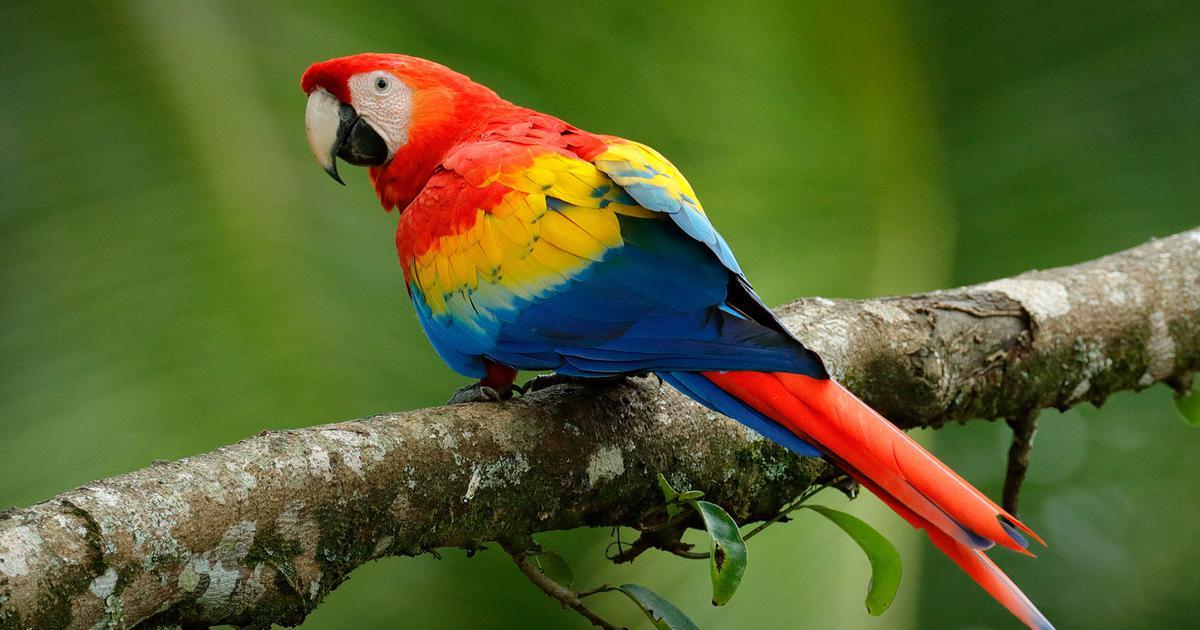
Scarlet macaws are intelligent and social birds. They often travel in pairs or small groups and communicate through loud calls.
Their powerful beaks help them crack nuts and seeds.
They also play an important role in forest ecology by helping disperse seeds.
The sight of scarlet macaws flying above the green rainforest is one of the most unforgettable experiences nature can offer.
Poison Dart Frogs: Small Animals with Powerful Defenses
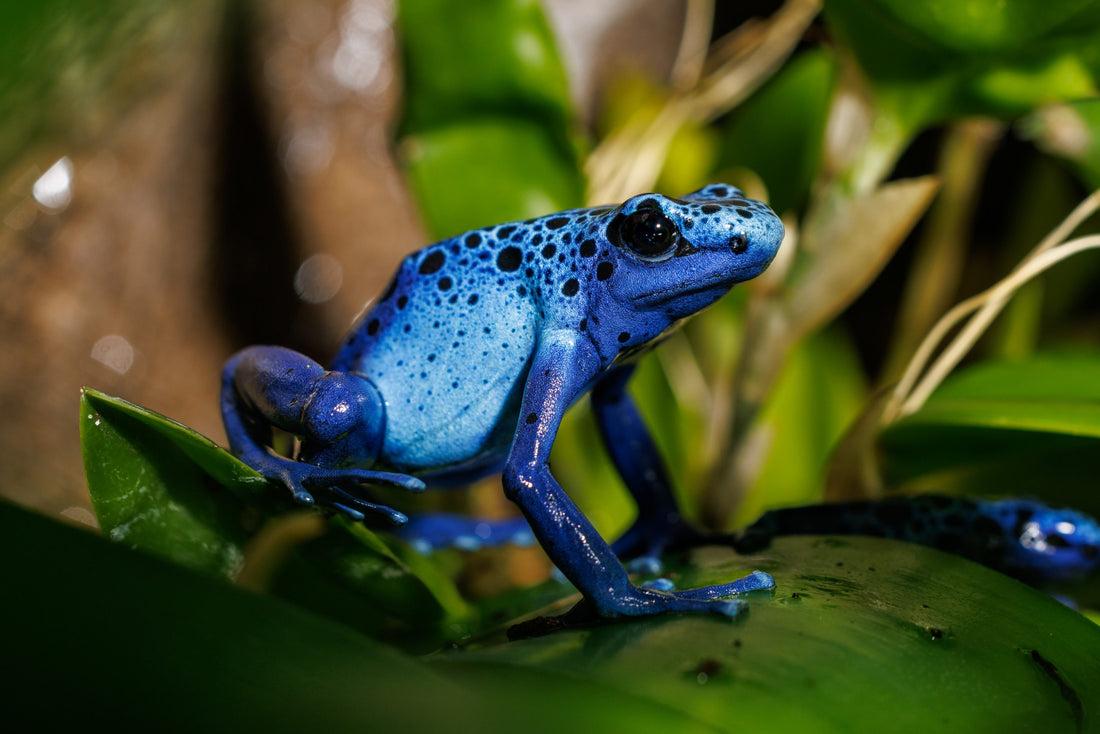
The Amazon is home to several species of poison dart frogs.
These tiny amphibians are famous for their bright colours, including yellow, blue, orange, and red.
Their striking appearance serves as a warning to potential predators.
Some species produce powerful skin toxins. Their toxicity varies greatly between species and depends partly on their natural diet.
Poison dart frogs generally live in humid tropical environments, where they feed on small insects and other invertebrates.
Their colourful appearance makes them fascinating examples of the Amazon’s extraordinary biodiversity.
Black Caiman: A Powerful Predator of Amazon Waters
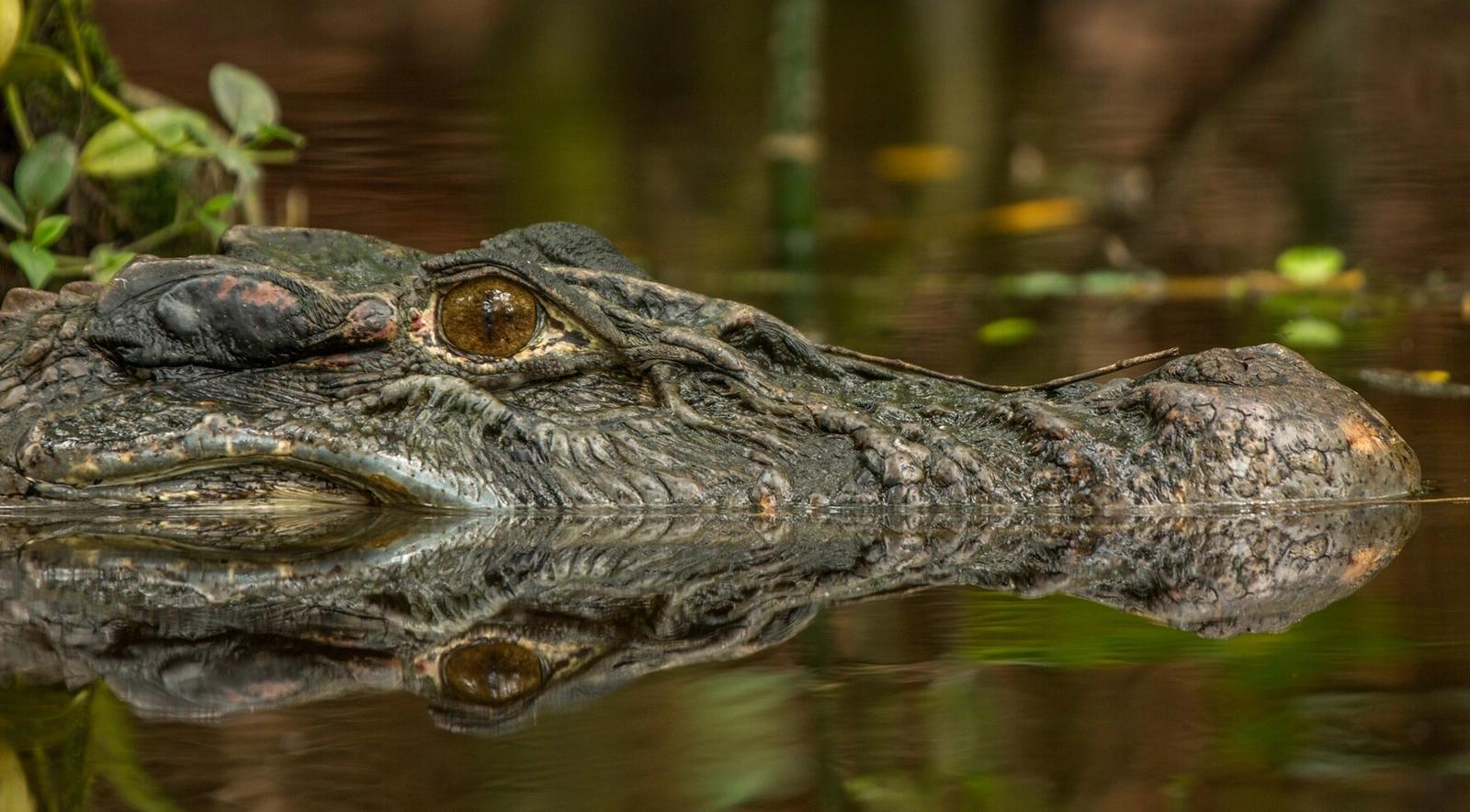
The black caiman is one of the largest predators found in the Amazon Basin.
This impressive reptile lives in rivers, lakes, wetlands, and flooded forests.
It has dark skin, a powerful jaw, and excellent night vision.
Black caimans hunt fish, birds, turtles, and mammals. Larger individuals can capture substantial prey.
They are important members of aquatic ecosystems because they help regulate populations of other animals.
Although conservation programmes have helped some populations recover, illegal hunting and habitat destruction remain concerns.
Capybara: The World’s Largest Living Rodent
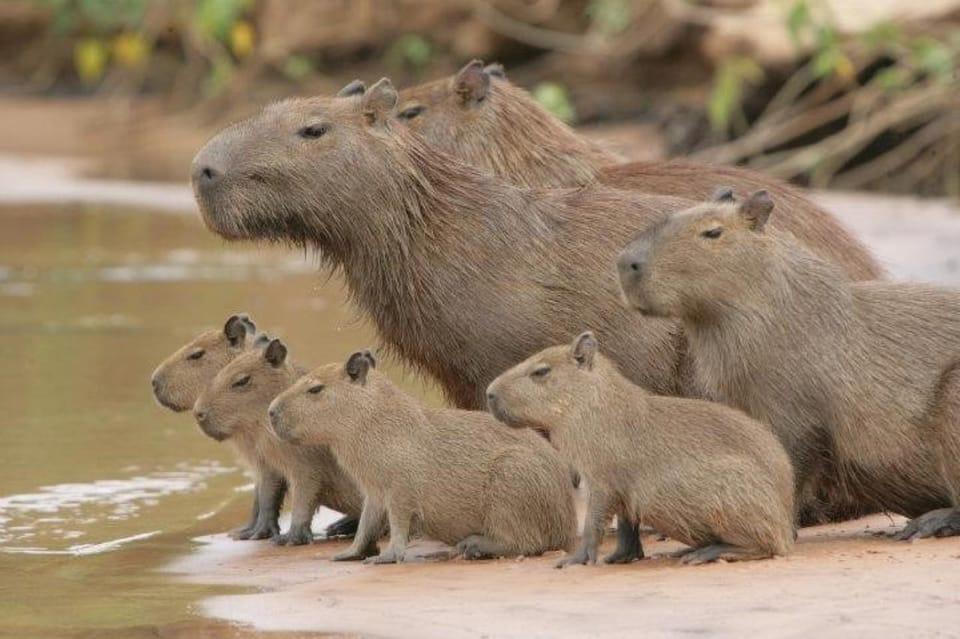
The capybara is another fascinating Amazonian animal.
It is the largest living rodent in the world and is commonly found near rivers, lakes, swamps, and wetlands.
Capybaras are highly social animals and usually live in groups.
Their partially webbed feet make them excellent swimmers. They can also remain underwater for several minutes to escape predators.
Their diet mainly consists of grasses and aquatic plants.
Capybaras are an important food source for predators such as jaguars and anacondas.
Their peaceful behaviour and unusual appearance have made them popular among wildlife enthusiasts around the world.
Howler Monkeys: The Loudest Voices of the Rainforest
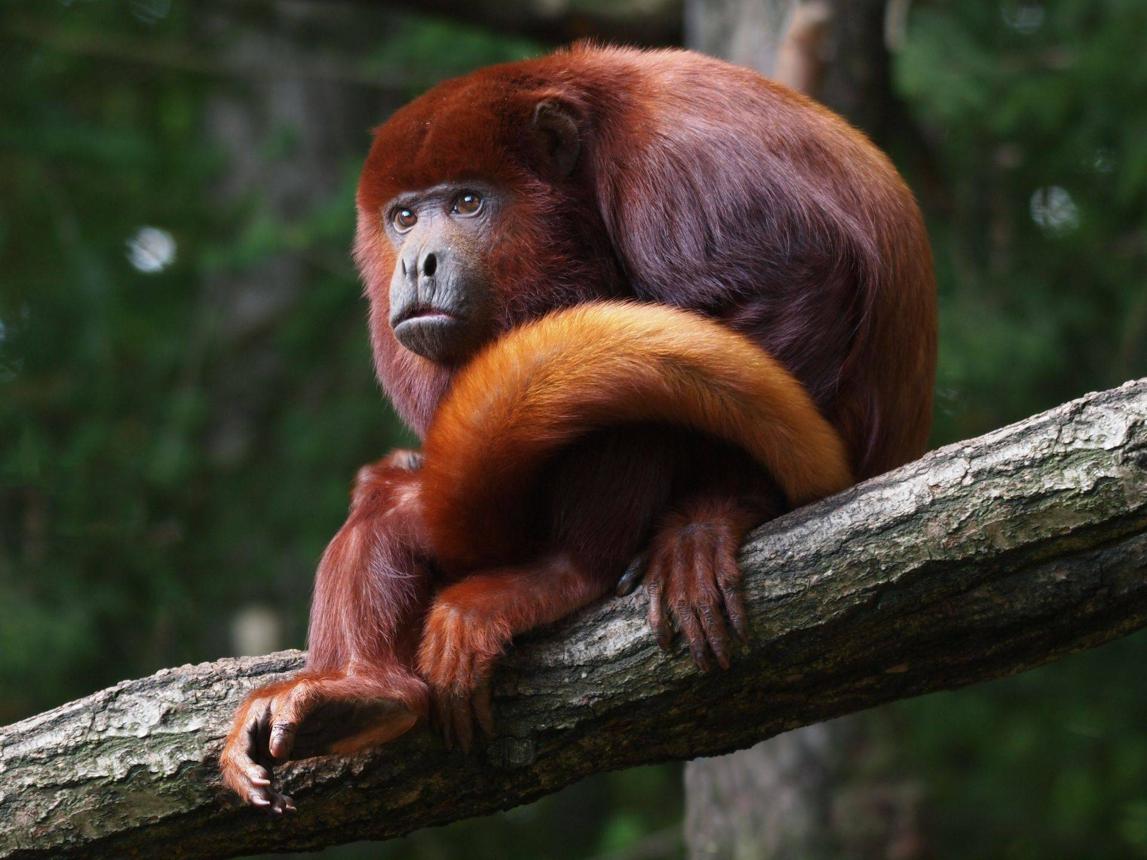
Howler monkeys are famous for their powerful calls, which can travel long distances through the forest.
They live mainly in trees and spend much of their time eating leaves, fruits, and flowers.
Their loud vocalisations help groups communicate and establish territorial boundaries.
Early in the morning, the rainforest can become filled with their deep, roaring calls.
These monkeys are important seed dispersers and contribute to the regeneration of tropical forests.
Harpy Eagle: The Mighty Hunter of the Sky
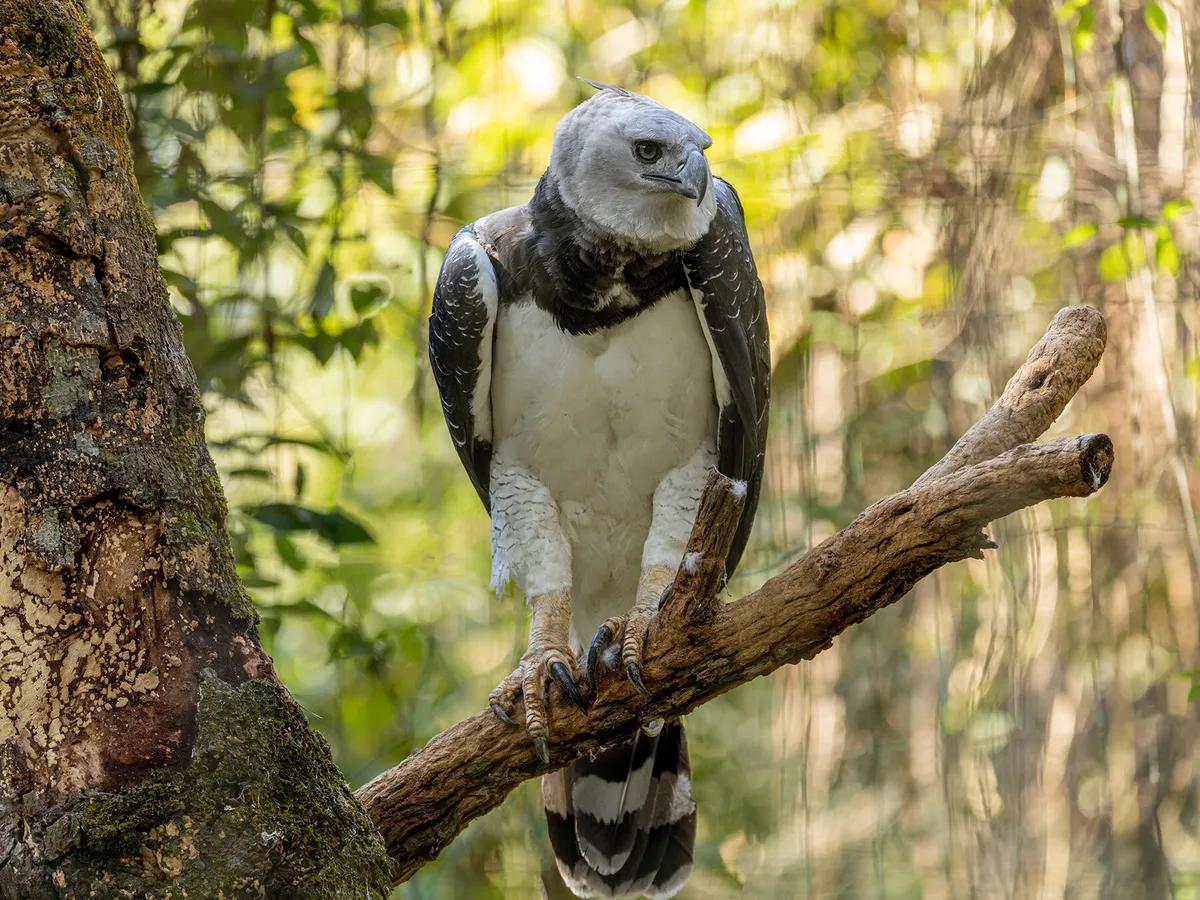
The harpy eagle is one of the most powerful birds of prey in the world.
It has an enormous wingspan, strong legs, and impressive talons.
Harpy eagles hunt mainly in forested environments, where they capture animals such as monkeys and sloths.
They are adapted to flying through dense forests and catching prey among tree branches.
However, because they require large areas of healthy forest, deforestation can seriously affect their survival.
Protecting large rainforest habitats is essential for this magnificent bird.
Electric Eel: The Shocking Creature of Amazon Waters
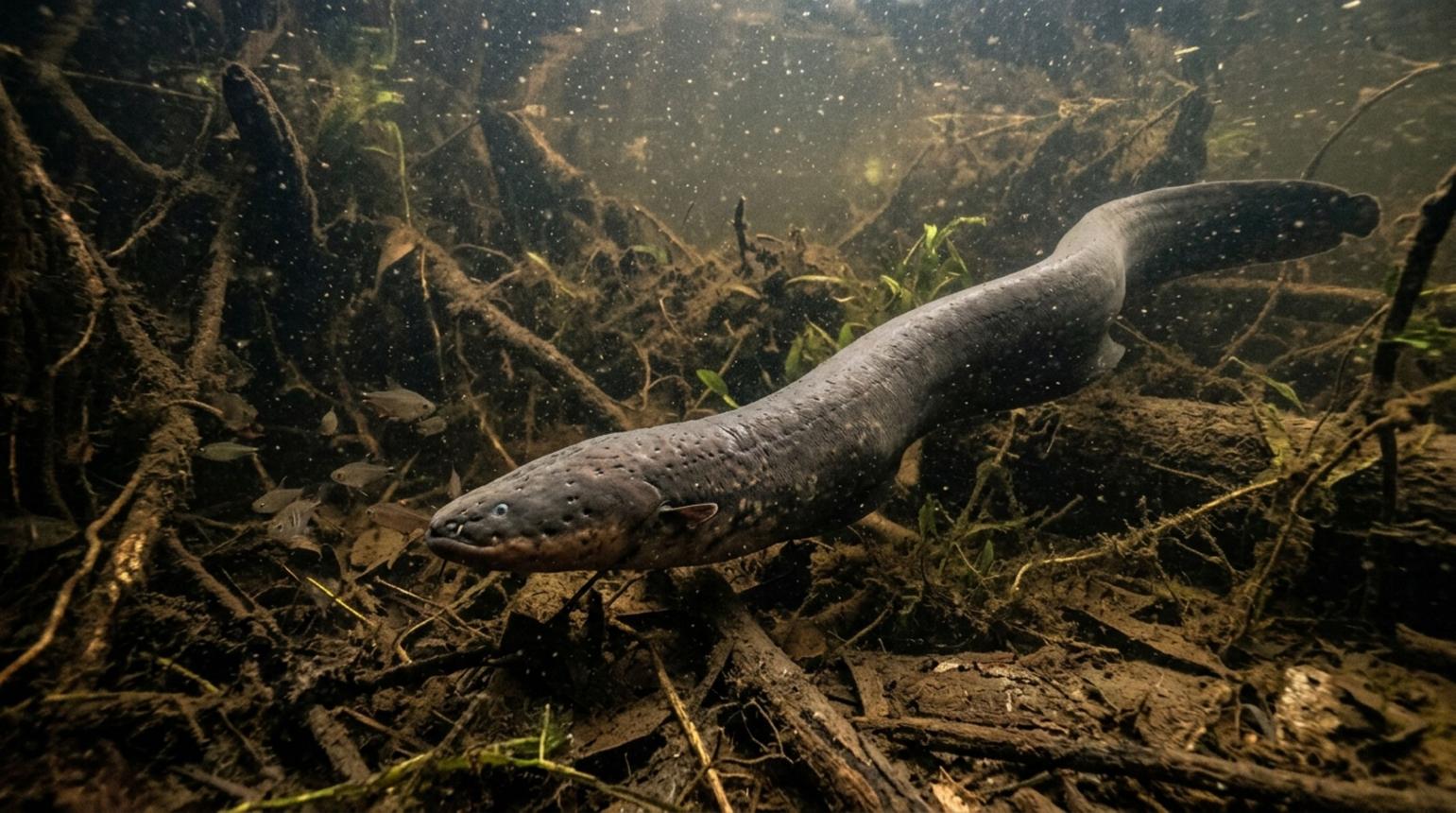
The electric eel is one of the most unusual aquatic animals found in the Amazon region.
Despite its name, it is not a true eel. It belongs to a group of electric knifefishes.
It produces electricity using specialised organs.
These electrical discharges help it navigate, communicate, defend itself, and capture prey.
Some species can produce powerful electric shocks.
Electric eels generally live in freshwater habitats, including rivers and flooded areas.
Their unusual abilities make them one of the most remarkable animals in South American waterways.
What Makes Amazon Wildlife So Special?
The Amazon is extraordinary because of the enormous variety of life found within its boundaries.
Different animals depend on one another for survival. Predators control prey populations, insects pollinate plants, and birds and mammals help spread seeds.
This natural balance supports the entire ecosystem.
Some important features of Amazon wildlife include:
Exceptional biodiversity: The region contains thousands of animal species and an enormous variety of plants.
Unique adaptations: Animals have developed special abilities to survive in hot, humid, and flooded environments.
Freshwater habitats: The Amazon River system supports countless aquatic species.
Forest ecosystems: Different layers of vegetation provide food and shelter for wildlife.
Cultural importance: Indigenous communities have developed deep knowledge of local plants, animals, and ecosystems over generations.
Threats Facing Amazon Wildlife
Despite its incredible beauty, the Amazon Rainforest faces serious environmental challenges.
Several human activities are putting pressure on its wildlife and natural habitats.
Deforestation
Large areas of rainforest are cleared for agriculture, cattle ranching, infrastructure, and other development activities.
When trees disappear, animals lose their natural homes, food sources, and breeding areas.
Illegal Wildlife Trade
Some animals are captured and sold illegally as exotic pets or for other commercial purposes.
This activity threatens vulnerable species and damages natural populations.
Climate Change
Rising temperatures and changing rainfall patterns can affect the Amazon’s forests and rivers.
Longer and more intense droughts can increase the risk of forest fires.
Water Pollution
Mining, agricultural chemicals, untreated waste, and other pollutants can damage freshwater ecosystems.
Pollution can affect fish, dolphins, reptiles, and many other aquatic species.
Forest Fires
Fires can destroy large areas of vegetation and threaten wildlife.
Although some fires occur naturally in ecosystems, many major fires in the Amazon are associated with human activities and land clearing.
How Can We Protect Amazon Wildlife?
Protecting Amazon wildlife is not only the responsibility of governments and environmental organisations. Individuals around the world can also contribute.
Here are some meaningful ways to support conservation:
- Support organisations working to protect tropical rainforests.
- Avoid buying products made from illegally traded wildlife.
- Choose responsibly sourced wood and paper products.
- Support sustainable agriculture and responsible supply chains.
- Spread awareness about deforestation and biodiversity loss.
- Respect Indigenous communities and their rights.
- Encourage environmental education among young people.
Small actions, when taken collectively, can make a meaningful difference.
Best Places to Experience Amazon Wildlife
The Amazon region offers several destinations for people interested in wildlife, nature, and adventure.
Manaus, Brazil: A major gateway to the Brazilian Amazon, offering river tours and rainforest excursions.
Tambopata National Reserve, Peru: Famous for its wildlife, colourful macaws, monkeys, and extraordinary biodiversity.
Yasuni National Park, Ecuador: One of the most biologically rich protected areas in the Amazon region.
Manu National Park, Peru: Known for its incredible variety of tropical habitats and wildlife.
Amazonian Colombia: Offers opportunities to explore rainforest landscapes, river communities, and diverse wildlife.
Visitors should choose responsible tour operators that follow wildlife protection guidelines and respect local communities.
Why the Amazon Rainforest Matters to the Entire World
The Amazon is much more than a collection of trees and wild animals.
It plays an important role in the Earth’s climate system, stores enormous amounts of carbon, supports regional rainfall, and provides habitats for countless species.
Its rivers and forests also support millions of people, including Indigenous communities whose lives and cultures are closely connected to the natural environment.
The destruction of the Amazon would have consequences far beyond South America.
Protecting this ecosystem means protecting biodiversity, supporting communities, and helping maintain the natural systems on which life depends.
Save the Amazon, Save the Future
The Amazon Rainforest is one of nature’s greatest masterpieces. From powerful jaguars and enormous anacondas to colourful macaws and fascinating pink river dolphins, every creature contributes to the extraordinary beauty of this ecosystem.
Its forests, rivers, and wildlife remind us that nature is powerful, beautiful, and incredibly valuable.
However, this natural paradise needs protection. Deforestation, pollution, climate change, and illegal wildlife activities are putting its future at risk.
We must understand that every tree, every river, and every animal has a role in maintaining the balance of nature.
The Amazon is not just a treasure belonging to South America; it is a natural heritage that matters to the entire planet.
Let’s protect the Amazon Rainforest today so that future generations can continue to experience its incredible wildlife tomorrow.
News Orbit Wave – Bringing the Wonders of Nature Closer to You.


