Colombia Earthquake: 7.4-Magnitude Quake Kills More Than 100, Causes Widespread Destruction
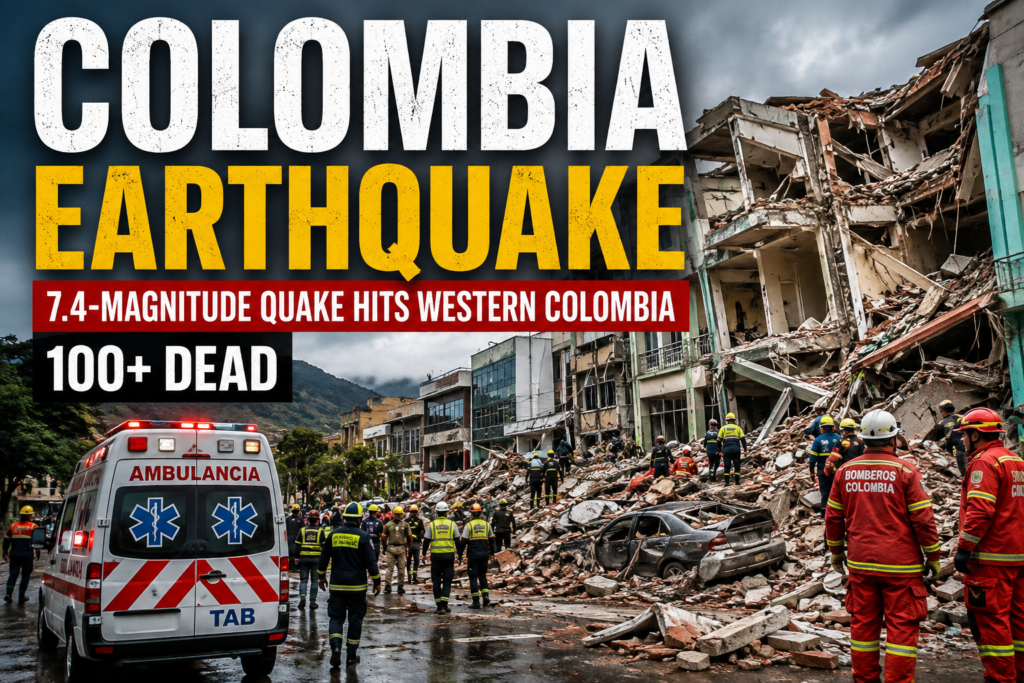
Colombia Earthquake: Powerful 7.4-Magnitude Quake Strikes Western Colombia, Leaving More Than 100 Dead
Colombia has been hit by one of its most powerful and destructive earthquakes in recent history, after a magnitude 7.4 earthquake struck the western part of the country on Monday, August 10, 2026. The earthquake was centered near San José del Palmar in the department of Chocó, sending powerful tremors across a large part of Colombia and into neighboring countries.
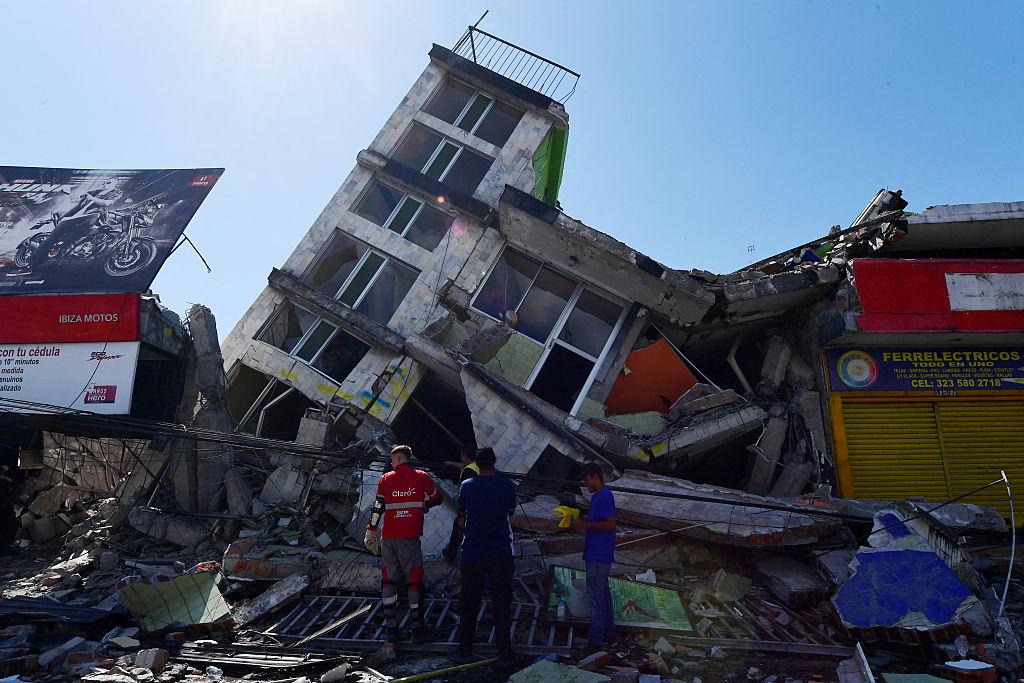
The earthquake caused widespread destruction in several cities and communities, with buildings damaged or collapsing, residents fleeing into the streets and emergency teams launching large-scale search-and-rescue operations.
According to the latest reports available, more than 100 people have died, while thousands of people have been reported missing or affected. The exact figures remain subject to change as rescue teams continue searching damaged buildings and remote communities.
Colombia Earthquake 2026: What Happened?
The major earthquake struck on August 10, 2026, at approximately 7:34 a.m. local time. Colombia’s Servicio Geológico Colombiano (SGC) recorded the earthquake at magnitude 7.4, with its epicenter near San José del Palmar in Chocó.
The SGC’s earthquake monitoring system lists the event at a depth of approximately 103 kilometers. The United States Geological Survey (USGS) also recorded the earthquake as magnitude 7.4, placing the event about 5 kilometers east of San José del Palmar and at a depth of about 107 kilometers.
Because of the earthquake’s strength and depth, shaking was felt over a very large area. Reports indicated that tremors were experienced in cities including Cali, Pereira, Quibdó and Manizales, while people in Bogotá also felt the movement and evacuated some buildings as a precaution.
The earthquake was also felt beyond Colombia’s borders, including parts of neighboring countries.
Heavy Damage Reported Across Western Colombia
The strongest effects were concentrated in western Colombia, particularly in communities closer to the earthquake’s epicenter.
Several buildings were damaged, while some structures collapsed completely. Emergency responders faced the difficult task of searching through rubble for people who might still be trapped.
Reports from the affected region indicated that approximately 1,600 buildings were damaged, with dozens suffering complete collapse. The damage affected residential structures, public buildings and other infrastructure.
The city of Pereira was among the locations reporting serious consequences. Other affected areas included Cali, Quibdó and communities in the Chocó region.
The scale of destruction has been particularly concerning because some of the hardest-hit communities are located in mountainous and relatively difficult-to-access areas.
Death Toll Continues to Rise
The human cost of the earthquake has been severe.
Early reports initially placed the number of fatalities considerably lower, but the death toll increased as rescuers reached more affected communities and searched collapsed structures. By the latest reports, at least 111 people had been confirmed dead. More than 2,700 people were also reported missing in the latest accounts, although these numbers can change as authorities verify information and families are reunited.
Authorities have warned that the situation remains fluid.
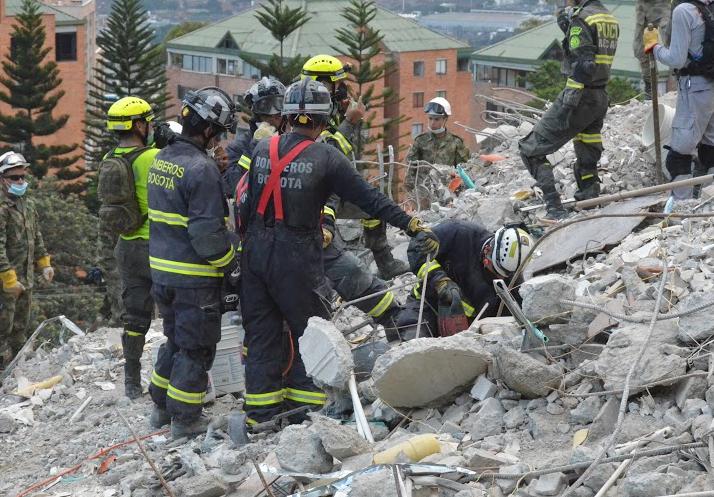
Search-and-rescue operations are continuing, meaning the final number of casualties may not be known for some time. Emergency workers are using specialized equipment, search dogs and manual tools to locate survivors beneath collapsed structures.
The first hours and days after a major earthquake are critical because survivors can sometimes remain trapped under rubble for extended periods.
San José del Palmar and Chocó at the Center of the Disaster
The epicenter near San José del Palmar, Chocó, placed one of Colombia’s less accessible regions at the heart of the disaster.
Chocó is known for its mountainous geography, heavy rainfall and challenging transportation conditions. These factors can make emergency response particularly difficult after a major natural disaster.
Roads can be blocked by landslides or debris, while damaged bridges and communication infrastructure can delay the arrival of rescue teams.
The location of the epicenter also meant that communities relatively close to the earthquake faced significant shaking.
Government officials and emergency organizations have therefore been working to assess the needs of affected communities while attempting to establish reliable transportation and communication routes.
Bogotá Feels the Earthquake
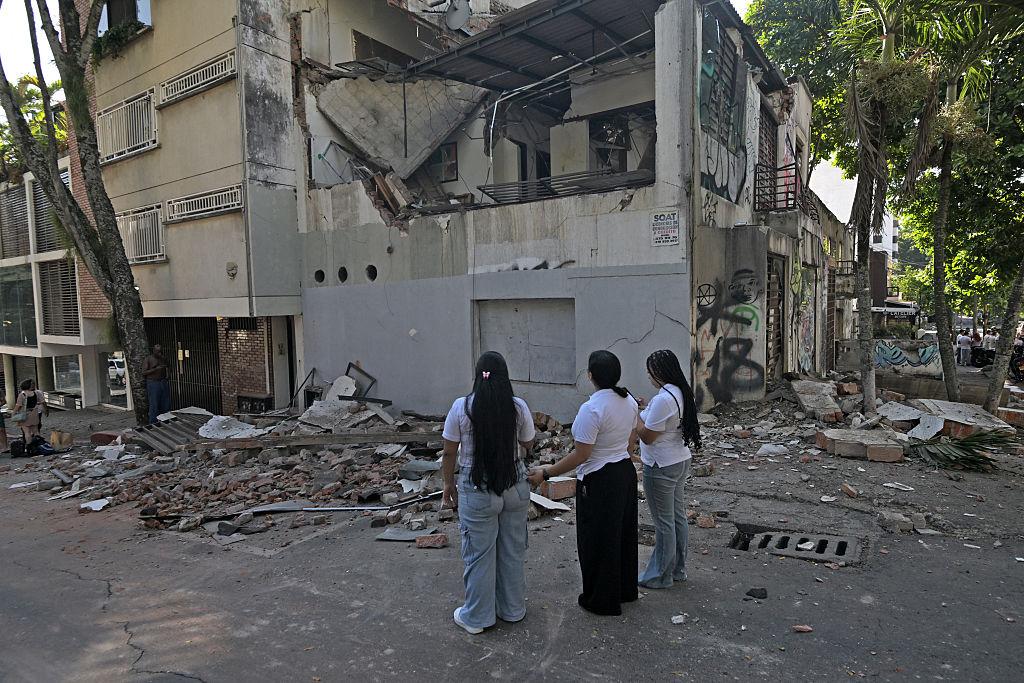
Although Bogotá is located far from the epicenter, the earthquake was strongly felt in Colombia’s capital.
Residents in several parts of the city reported feeling buildings shake, prompting people to leave offices, homes and other structures.
The Bogotá government activated emergency verification protocols across the city’s 20 localities.
Initial inspections found no major structural damage in the capital, although authorities received reports of cracks and damage to non-structural elements in buildings. Later reports said Bogotá had received 134 citizen reports, while technical teams continued inspecting buildings.
Bogotá also moved quickly to support the hardest-hit areas.
The city announced that approximately 100 specialized firefighters and rescue personnel would be deployed to assist with emergency operations in affected areas.
This response highlights how major earthquakes can affect an entire country even when the greatest physical destruction occurs hundreds of kilometers from the capital.
Rescue Operations Underway
Following the earthquake, emergency services began large-scale search-and-rescue operations.
Military personnel, firefighters, police officers, medical workers, volunteers and trained rescue teams have been involved in the response.
Search teams are focusing particularly on collapsed buildings and areas where residents have reported missing family members.
The use of search dogs is also important because trained animals can detect signs of life beneath rubble that may be difficult for human rescuers to identify.
However, rescue operations are complicated by continuing aftershocks and damaged infrastructure.
Emergency workers must carefully evaluate unstable buildings before entering them because weakened structures can collapse during rescue operations.
International Assistance Begins
The scale of the disaster has also triggered international support.
The United States has pledged financial assistance, while other governments and international organizations have offered support to Colombia. Direct Relief, for example, said it was monitoring health needs and preparing to assist with medical relief.
International assistance can become especially important after large disasters because local hospitals, emergency services and government agencies can quickly become overwhelmed.
Support may include medical supplies, rescue equipment, temporary shelters, food, water and financial assistance.
Why Is Colombia So Vulnerable to Earthquakes?
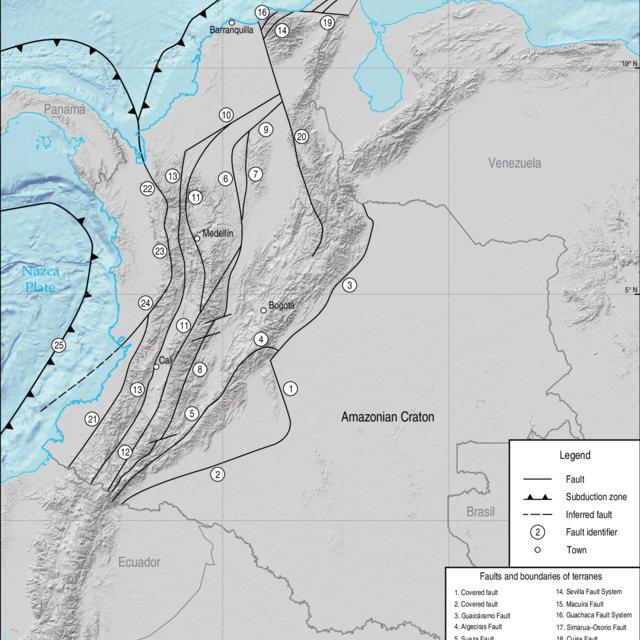
Colombia is a highly seismically active country because of its complex geological setting.
The country sits in a region where several tectonic plates and geological structures interact. The Andes mountain system crosses Colombia, and numerous active and potentially active faults run through different parts of the country.
Earthquakes can therefore occur at different depths and in different regions.
Historical records show that Colombia has experienced many destructive earthquakes. Major events have affected cities and communities across the country over centuries.
The country’s geological environment means earthquake preparedness remains an important part of disaster management.
The 2026 earthquake has once again demonstrated that even areas that do not experience frequent destructive earthquakes can face major risks when a powerful event occurs.
Historical Earthquakes in Colombia
The latest earthquake is not the first major seismic disaster in Colombia.
One of the country’s most devastating modern earthquakes occurred in 1999, when an earthquake struck the Coffee Region, including Armenia. The disaster caused extensive destruction and thousands of casualties.
Other significant earthquakes have affected Colombia’s Andean region over the past several centuries.
Historical seismic activity is associated with several fault systems, including the Eastern Frontal Fault System, which has produced significant earthquakes in the past.
These events demonstrate why earthquake-resistant construction, emergency planning and public education are essential for Colombian communities.
Aftershocks Remain a Major Concern
After a major earthquake, the danger does not necessarily end when the initial shaking stops.
Large earthquakes are frequently followed by aftershocks, which are smaller earthquakes occurring as the Earth’s crust adjusts after the main event.
Some aftershocks can still be strong enough to damage already weakened buildings.
Authorities have therefore urged residents to remain cautious and avoid entering buildings that have suffered visible structural damage until engineers determine that they are safe.
People living in affected regions should also expect emergency conditions to continue for some time, particularly where electricity, water supplies, roads or communications have been disrupted.
Humanitarian Needs Growing
As rescue operations transition into longer-term relief efforts, humanitarian needs are expected to increase.
People who have lost their homes may require temporary shelter, food, clean water, clothing, medical treatment and psychological support.
Hospitals and medical facilities in affected areas may face increased pressure as injured people require treatment.
Authorities and humanitarian organizations are also expected to focus on displaced families and vulnerable groups, including children, older people and individuals with disabilities.
Bogotá has already announced collection points for humanitarian donations, including water, blankets, mattresses, non-perishable food, hygiene products and first-aid supplies.
Safety Advice During an Earthquake
The Colombia earthquake has also renewed attention on earthquake safety.
Experts generally recommend the Drop, Cover, and Hold On approach during strong shaking.
People indoors should avoid running outside while the ground is moving because, falling objects, glass and debris can create additional dangers.
Instead, people should:
- Drop to the ground.
- Take cover under a sturdy table or desk when possible.
- Protect the head and neck.
- Hold on until the shaking stops.
- Stay away from windows and heavy objects.
- Avoid using elevators during or immediately after strong shaking.
- Follow instructions from emergency authorities.
After the earthquake, residents should check for injuries and obvious hazards while avoiding severely damaged structures.
Colombia Faces a Long Road to Recovery
The immediate priority remains finding survivors and helping injured people.
But after the rescue phase, Colombia will face the much longer challenge of rebuilding damaged communities.
Homes will need to be repaired or reconstructed. Roads and public infrastructure may require extensive work. Businesses could face major economic losses, while families who have lost homes or income may require financial assistance.
The earthquake is also likely to lead to renewed discussions about building standards, disaster preparedness and the resilience of infrastructure in earthquake-prone regions.
For communities in Chocó and other severely affected areas, recovery could take months or even years.
A National Test of Colombia’s Disaster Response
The August 10 earthquake represents a major test of Colombia’s emergency-response system.
The country’s response involves multiple levels of government, emergency agencies, firefighters, military personnel, medical workers and humanitarian organizations.
The rapid deployment of rescue personnel from Bogotá and the mobilization of national resources demonstrate the importance of coordinated disaster response.
At the same time, the difficulties faced by remote communities highlight the challenges of responding to disasters in areas with limited transportation and infrastructure.
What Happens Next?
The next stage will focus on three priorities: rescue, humanitarian relief and damage assessment.
Search teams will continue looking for missing people, while engineers assess damaged buildings and infrastructure.
Authorities will also need to determine which communities require evacuation and where temporary shelters should be established.
As more information becomes available, casualty and damage estimates will likely be revised.
The earthquake’s full economic and social impact may take weeks or months to calculate.
For now, the focus remains on saving lives and providing immediate assistance to those who have lost family members, homes, or livelihoods.
The 7.4-magnitude Colombia earthquake of August 10, 2026, has become a major national disaster, causing widespread damage across western Colombia and claiming more than 100 lives according to the latest reports.
With its epicenter near San José del Palmar in Chocó, the earthquake affected communities across a broad area and was felt as far away as Bogotá. The disaster has left buildings damaged, families searching for missing relatives and emergency workers facing challenging rescue conditions.
While the immediate priority is saving lives, Colombia now faces a long recovery process.
The tragedy is also a reminder that earthquakes cannot currently be predicted with precision. Preparedness, strong construction, public awareness and rapid emergency response remain among the most effective ways to reduce the loss of life when major earthquakes occur.
As rescue teams continue working through damaged communities, the country is entering a critical period in which every hour can matter for survivors trapped beneath rubble and every verified piece of information can help families understand what has happened to their loved ones.