US-Iran Talks Hit Crisis Point as Trump Threats Trigger Iranian Walkout: Diplomatic Effort Faces Uncertain Future
US-Iran Talks
US-Iran: A Fragile Peace Process Under Pressure
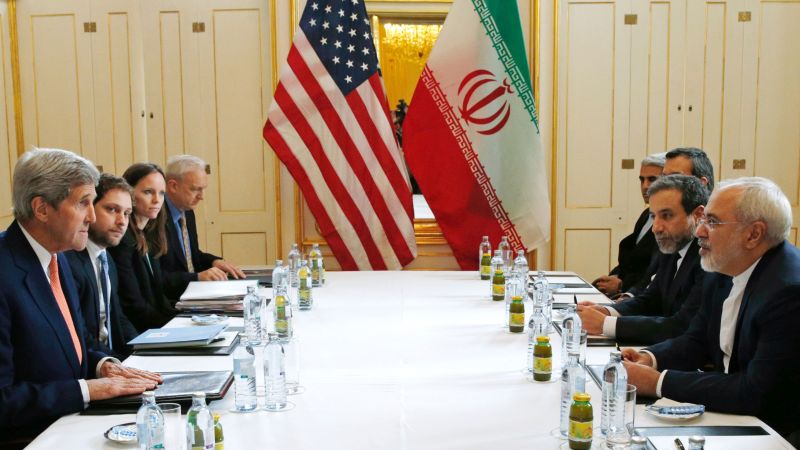
Diplomatic efforts between the United States and Iran have entered a tense phase after Iranian representatives reportedly walked away from negotiations following aggressive statements and threats from US President Donald Trump. The sudden escalation has raised concerns that a potential breakthrough between Washington and Tehran could collapse, increasing fears of renewed conflict in the Middle East.
The high-level talks, aimed at reducing tensions over regional conflicts, nuclear issues, sanctions, and the strategically important Strait of Hormuz, were already taking place in a highly sensitive environment. However, Trump’s public warnings against Iran created a major setback, with Iranian officials accusing Washington of using pressure tactics instead of genuine diplomacy.
Despite the dramatic confrontation, international mediators have continued efforts to keep communication channels open, suggesting that diplomacy may not be completely dead.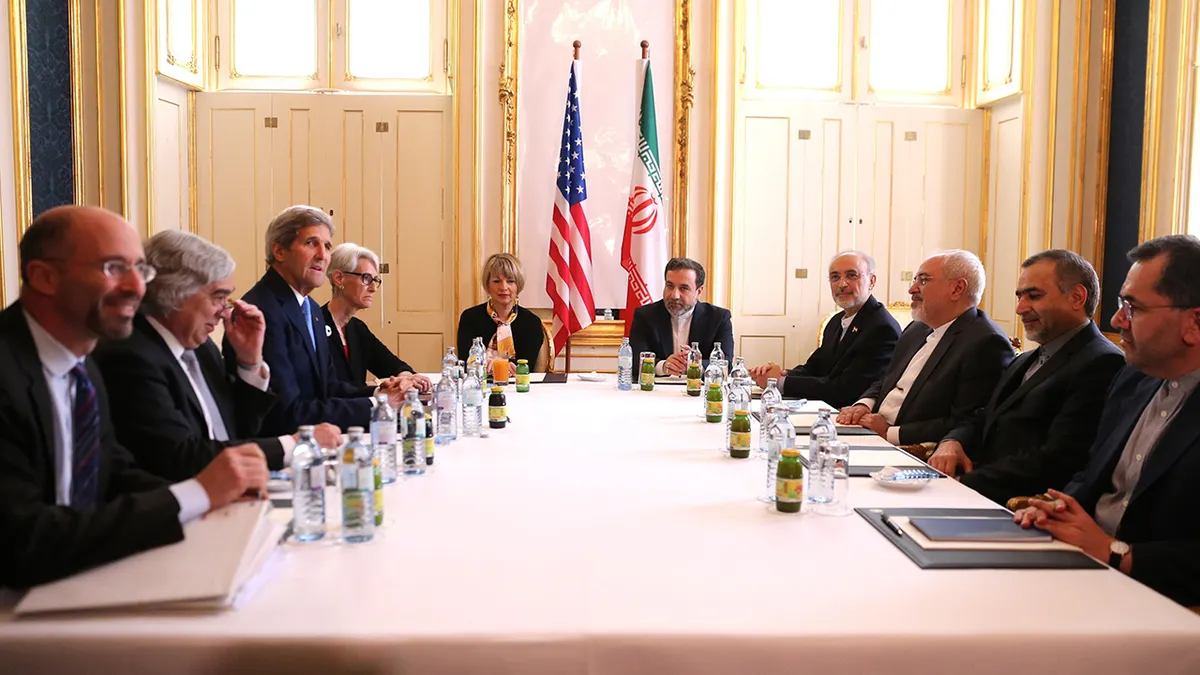
Trump’s Warning Creates Shockwaves During Negotiations
The latest crisis began after President Donald Trump issued strong warnings directed at Tehran, demanding action from Iran regarding regional security issues and the reopening of the Strait of Hormuz, one of the world’s most important energy shipping routes.
Trump’s remarks reportedly included threats of severe consequences if Iran refused to meet US demands. The statements immediately changed the atmosphere surrounding the negotiations, turning what was supposed to be a diplomatic discussion into a confrontation.
Iranian officials viewed the comments as a direct attack on the credibility of the talks. According to reports, the Iranian delegation temporarily left the negotiations in Switzerland, arguing that threats and diplomacy could not happen at the same time.
The walkout highlighted the deep mistrust that has defined US-Iran relations for decades.
Why the Strait of Hormuz Has Become the Main Flashpoint
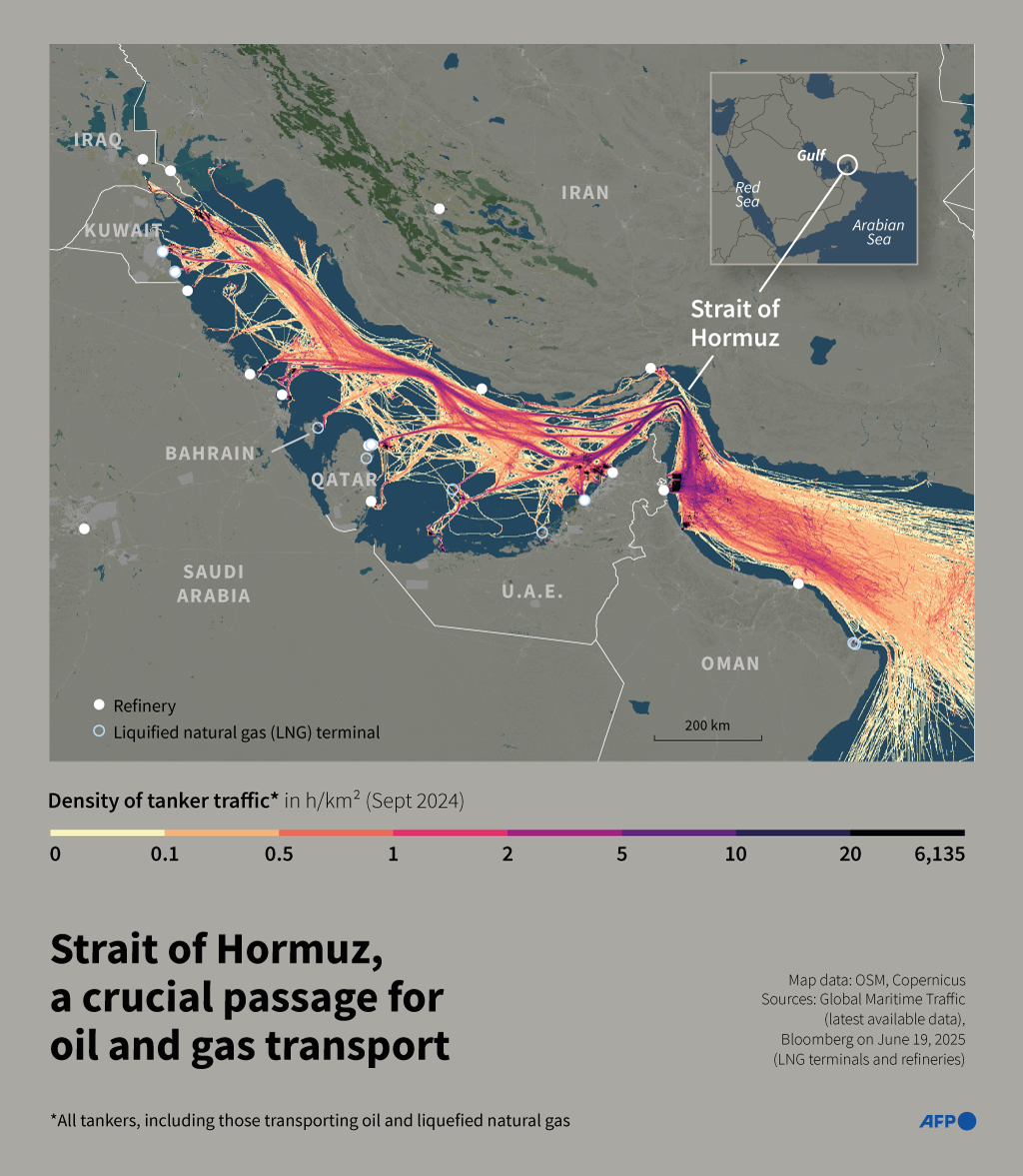
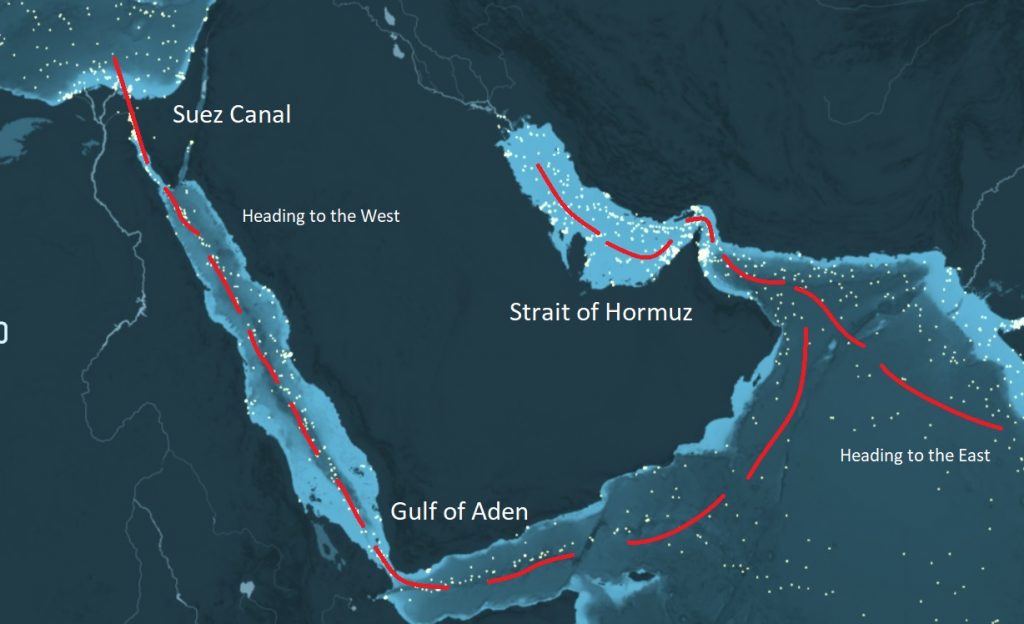
At the center of the dispute is the Strait of Hormuz, a narrow waterway connecting the Persian Gulf with international shipping routes. A significant portion of global oil supplies passes through this area, making any disruption a major concern for energy markets worldwide.
Iran has previously used control over the region as a strategic tool during periods of conflict with the United States and its allies. Washington has repeatedly warned that freedom of navigation through the strait is a critical security priority.
The latest tensions increased after Iran linked the reopening of the waterway to wider regional issues, including fighting in Lebanon and concerns over Israeli military actions.
The dispute transformed the negotiations from a simple nuclear discussion into a much broader conversation involving regional security, military activity, and economic restrictions.
US Position: Pressure Combined With Diplomacy
While President Trump adopted a highly aggressive tone, other US officials attempted to maintain a more diplomatic approach.
Vice President JD Vance reportedly emphasized the possibility of improving US-Iran relations and continuing discussions despite disagreements. This created a contrast between Washington’s public pressure campaign and its behind-the-scenes diplomatic efforts.
US officials have argued that pressure is necessary to convince Iran to address concerns about nuclear activities, regional influence, and support for armed groups in the Middle East.
However, critics of the strategy warn that public threats could make negotiations more difficult by strengthening hardline voices inside Iran.
Iran’s Response: A Demand for Respect and Guarantees
Iran has repeatedly stated that negotiations must be based on mutual respect and without intimidation. Iranian officials argue that sanctions, military threats, and political pressure have damaged trust between the two countries.
Tehran’s priorities reportedly include:
- Reduction or removal of economic sanctions
- Protection of Iranian oil exports
- Release of frozen financial assets
- Guarantees regarding future military actions
- Progress on regional ceasefire arrangements
Iran has also been cautious about nuclear discussions, seeking assurances that any agreement will provide long-term stability rather than temporary relief.
The Iranian delegation’s walkout reflected Tehran’s frustration that diplomatic discussions were continuing alongside public threats from Washington.
The Role of Qatar and Pakistan in Saving the Talks
Although the negotiations faced a major breakdown, mediators from Qatar and Pakistan worked to prevent a complete collapse.
Their diplomatic efforts focused on maintaining communication between the two sides and creating mechanisms to avoid accidental military escalation. Reports indicate that discussions continued through indirect channels even after the walkout.
Mediators have become increasingly important as Washington and Tehran continue to struggle with direct communication due to decades of hostility.
The involvement of regional partners reflects wider international concerns that a US-Iran confrontation could destabilize energy markets and security across the Middle East.
Nuclear Issue Remains a Major Challenge
One of the biggest obstacles in US-Iran relations remains Iran’s nuclear program.
Washington has long demanded stronger monitoring and restrictions on Iran’s nuclear activities. Tehran, however, insists that it has the right to pursue peaceful nuclear technology and opposes excessive restrictions.
Previous agreements between the two countries have struggled because of disagreements over verification, sanctions relief, and political commitments.
The latest talks reportedly included discussions about nuclear monitoring arrangements and possible timelines for future agreements.
However, experts warn that progress will remain difficult unless both sides can rebuild trust.
Global Reaction: Markets and Allies Watch Closely
The diplomatic crisis has attracted international attention because any conflict between the United States and Iran could have global consequences.
Energy markets closely monitor developments around the Strait of Hormuz because instability in the region can affect oil prices, transportation costs, and global inflation.
Countries across Europe, Asia, and the Middle East have encouraged both Washington and Tehran to continue negotiations and avoid military escalation.
Many governments fear that a breakdown in talks could create a wider regional conflict involving multiple countries and armed groups.
What Happens Next?
Despite the dramatic walkout, the situation remains fluid. Both sides have reasons to avoid a complete diplomatic collapse.
For the United States, a negotiated solution could prevent another costly Middle Eastern conflict while addressing security concerns.
For Iran, diplomacy offers a possible path toward sanctions relief and economic recovery.
The coming days will determine whether both countries return to direct negotiations or move toward a new period of confrontation.
Analysts believe that back-channel discussions will likely continue because neither Washington nor Tehran benefits from a prolonged crisis.
Diplomacy Hanging by a Thread
The latest US-Iran confrontation shows how fragile diplomacy remains between two longtime rivals. President Trump’s threats pushed negotiations into a crisis, leading Iranian representatives to walk out and raising doubts about the future of the talks.
However, continued mediation efforts suggest that the door for diplomacy has not completely closed. The challenge now is whether both sides can move away from public confrontation and focus on finding practical solutions.
The future of US-Iran relations may depend on whether leaders choose escalation or compromise. For now, the world is watching as one of the most important diplomatic battles of the year continues.