Iran US Peace Deal Ends War? Israel Lebanon Conflict Creates New Crisis
Iran and Usa to end war
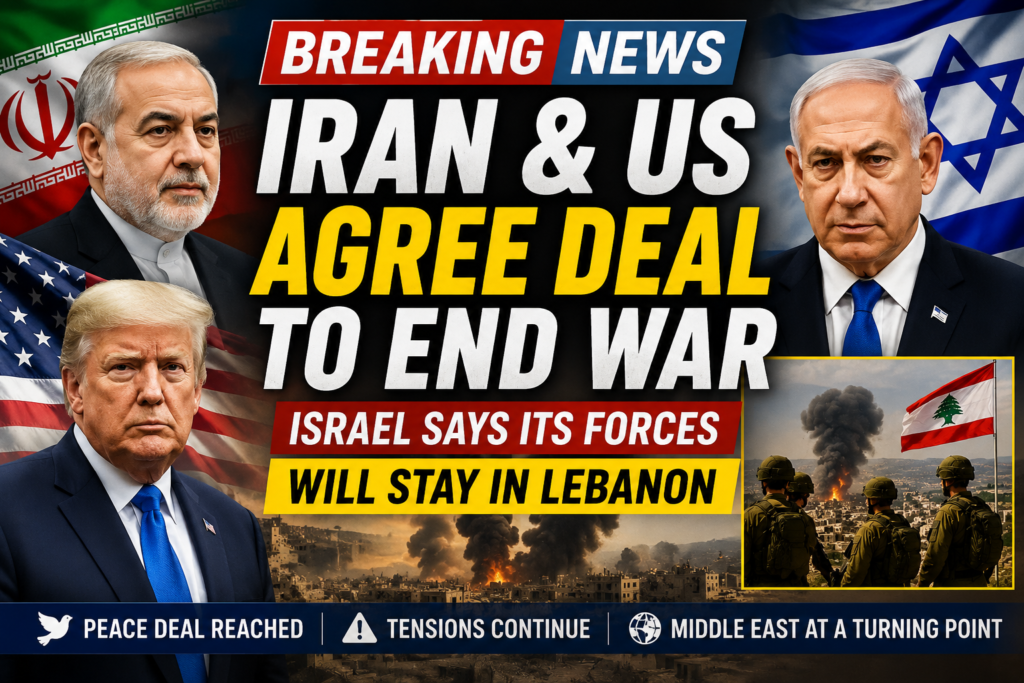
Iran and US Agree to End War: Historic Peace Deal Faces Major Challenge After Israel’s Lebanon Decision
A New Chapter Begins in the Middle East Conflict
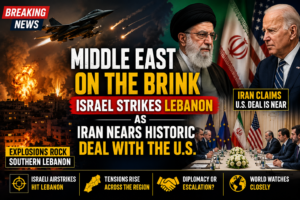
The Middle East has entered a dramatic new phase after the United States and Iran announced a framework agreement aimed at ending their devastating military conflict and restoring stability across the region.
The agreement, which was reached after intense diplomatic negotiations, has raised hopes of ending months of fighting, reducing regional tensions, and reopening one of the world’s most important energy routes—the Strait of Hormuz.
However, the path toward lasting peace remains uncertain. While Washington and Tehran have moved toward a ceasefire arrangement, Israel has announced that its military forces will remain positioned in Lebanon, creating a major obstacle in the wider peace process.
According to reports, the agreement includes a commitment to stop military operations across multiple fronts, including Lebanon. But Israel, which was not a direct participant in the US-Iran negotiations, has maintained that its security objectives in Lebanon are not complete.
The situation has created a complicated diplomatic landscape where a potential historic peace agreement exists alongside unresolved military tensions.
US and Iran Reach Framework Agreement After Months of Conflict
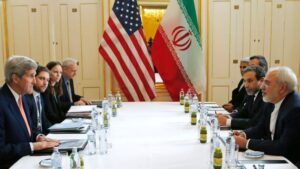
The United States and Iran have reportedly reached a preliminary agreement designed to end their ongoing conflict. The deal follows weeks of diplomatic efforts involving international mediators and regional powers.
The announcement represents one of the most significant diplomatic developments in the Middle East in recent years.
The agreement reportedly focuses on:
- Ending active military operations
- Establishing a long-term ceasefire framework
- Reopening the Strait of Hormuz
- Beginning future negotiations on nuclear and security issues
- Reducing economic pressure caused by sanctions and conflict
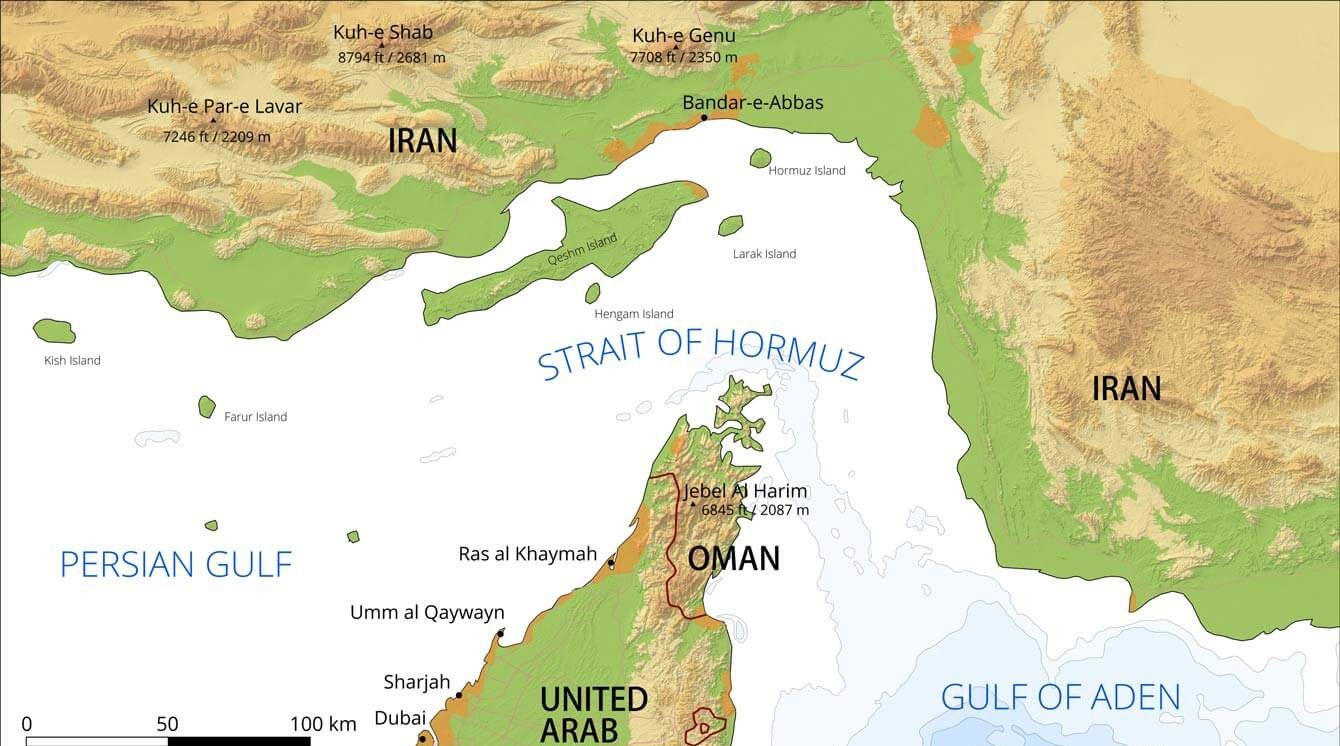
The Strait of Hormuz has been at the center of global concern because a significant portion of the world’s energy shipments passes through this narrow waterway.
Any disruption in this region can immediately affect international fuel prices, transportation costs, and global markets.
Reports indicate that the deal was helped by mediation efforts from Pakistan, with officials saying a formal signing process was expected to follow.
Why the Iran-US Conflict Became a Global Concern
The confrontation between Iran and the United States was not only a regional conflict. Its impact spread across global politics, energy markets, and international security.
The Middle East remains one of the world’s most strategically important regions because of:
1. Energy Supply Importance
The Strait of Hormuz connects the Persian Gulf with international waters and is considered one of the world’s most important oil and gas shipping routes.
Any military tension around this area creates immediate concerns for:
- Oil prices
- Gas supply
- Global inflation
- Transportation costs
The possibility of reopening the route has already created expectations of improved energy stability.
2. Regional Military Alliances
The conflict involved several major regional actors, including:
- Iran
- Israel
- Hezbollah in Lebanon
- United States forces
- Other Middle Eastern countries
Because of these interconnected relationships, even a bilateral agreement between Washington and Tehran cannot automatically resolve every battlefield issue.
Israel’s Lebanon Position Creates New Peace Challenge
While the US-Iran agreement created optimism, Israel’s position regarding Lebanon has become one of the biggest challenges.
Israeli officials have stated that their forces will continue operations in Lebanon and will not immediately withdraw.
The Israeli government argues that maintaining military positions is necessary to prevent threats from Hezbollah, an armed group supported by Iran.
This decision has created tension because Lebanon was included in discussions surrounding the broader ceasefire framework.
Iran has repeatedly emphasized that Lebanon is a key part of any regional peace arrangement.
The disagreement raises an important question:
Can a US-Iran peace agreement succeed if fighting continues in Lebanon?
Lebanon Becomes the Center of Regional Diplomacy
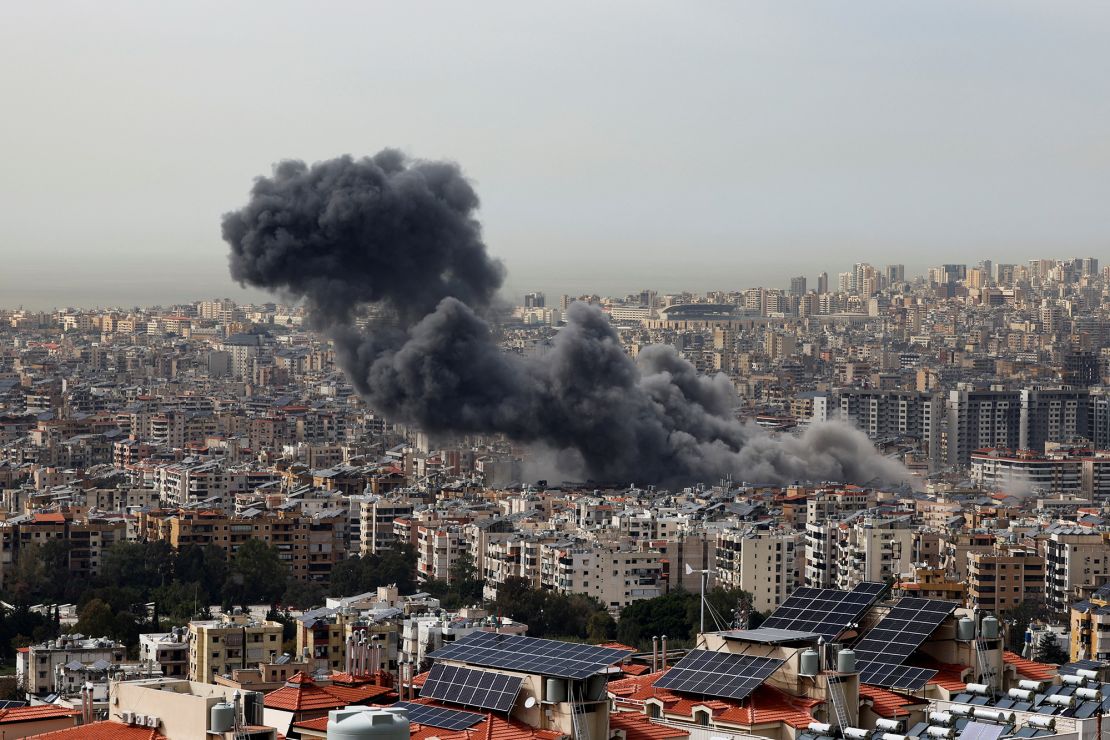
Lebanon has become one of the most sensitive areas in the Middle East crisis.
For years, tensions between Israel and Hezbollah have contributed to instability along the Israel-Lebanon border.
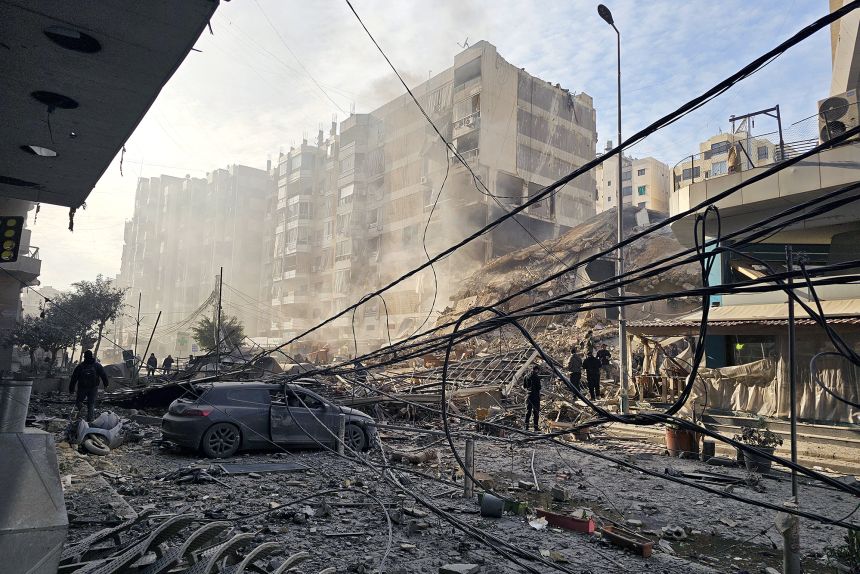
The latest conflict increased fears that Lebanon could become the battlefield for a wider confrontation involving Iran and Israel.
The US-Iran agreement reportedly calls for ending hostilities across multiple fronts, including Lebanon. However, implementation depends on whether all involved parties respect the terms.
Experts believe that Lebanon could determine whether the new peace agreement becomes a lasting diplomatic breakthrough or another temporary pause in fighting.
What Is Included in the US-Iran Peace Agreement?
Although complete details of the agreement have not been publicly released, reports suggest several major points.
Immediate Ceasefire
The central element is the stopping of military attacks between the United States and Iran.
Both sides would halt offensive operations and move toward diplomatic discussions.
Reopening of the Strait of Hormuz
A major economic component involves restoring normal shipping through the Strait of Hormuz.
The reopening would be significant because global markets have been affected by fears of energy shortages.
Future Nuclear Negotiations
Another important issue involves Iran’s nuclear program.
The United States and its allies have long expressed concerns about Iran’s nuclear activities.
Future negotiations are expected to address:
- Nuclear monitoring
- Uranium enrichment limits
- International inspections
- Possible sanctions relief
International Reaction to the Peace Agreement
The announcement has received mixed reactions around the world.
Many governments welcomed the possibility of ending the conflict because the war created humanitarian and economic consequences.
European countries and Asian economies have closely followed developments because energy security is directly connected to stability in the Gulf region.
However, some analysts remain cautious, warning that previous Middle East ceasefires have collapsed due to unresolved political disagreements.
Economic Impact: Oil Markets Watch Middle East Developments
One of the biggest effects of the conflict was uncertainty in global energy markets.
When tensions increased, investors feared possible disruption of oil supplies.
A successful peace process could lead to:
- Lower oil prices
- Improved shipping conditions
- Reduced inflation pressure
- Increased market confidence
However, continued military activity in Lebanon could keep uncertainty alive.
The Role of Pakistan in the Peace Process
Pakistan played a significant diplomatic role by helping facilitate communication between Washington and Tehran.
Neutral mediators are often important in conflicts where direct negotiations are difficult.
Pakistan’s involvement highlights the importance of regional diplomacy in solving international crises.
The success of the agreement will depend on whether all sides maintain communication and follow commitments.
A Fragile Moment for Middle East Peace
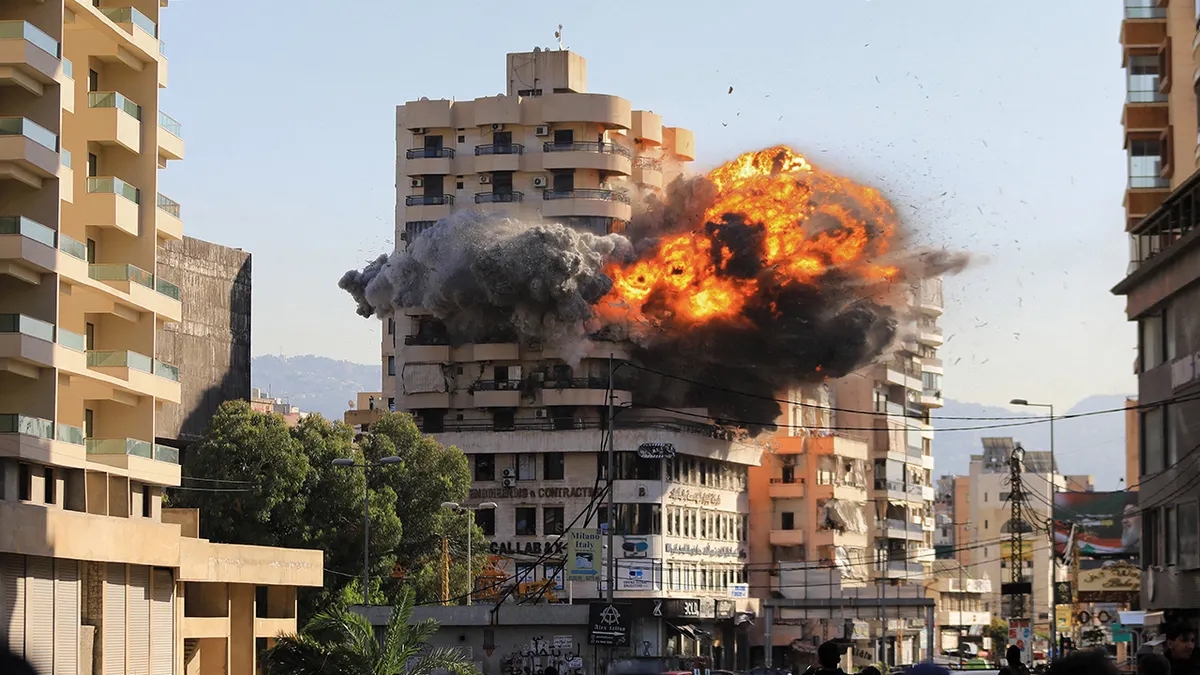
The US-Iran agreement represents a major diplomatic opportunity, but it is also extremely fragile.
Several challenges remain:
- Israel’s military presence in Lebanon
- Iran’s regional influence
- Nuclear disagreements
- Trust issues between Washington and Tehran
- Political opposition inside each country
Peace agreements are often easier to announce than to implement.
The coming weeks will determine whether this agreement becomes a historic turning point or another temporary ceasefire.
Conclusion: Hope for Peace but Challenges Remain
The reported US-Iran peace agreement has created new hope for ending one of the Middle East’s most dangerous conflicts.
The possibility of reduced military tensions, reopened energy routes, and renewed diplomacy has been welcomed by many countries.
However, Israel’s decision to maintain forces in Lebanon shows that the regional crisis is far from completely resolved.
For lasting peace, all major players will need to address security concerns, respect diplomatic commitments, and prioritize stability over continued confrontation.
The world is now watching whether this agreement marks the beginning of a new era of Middle Eastern diplomacy — or another fragile pause before future conflict.